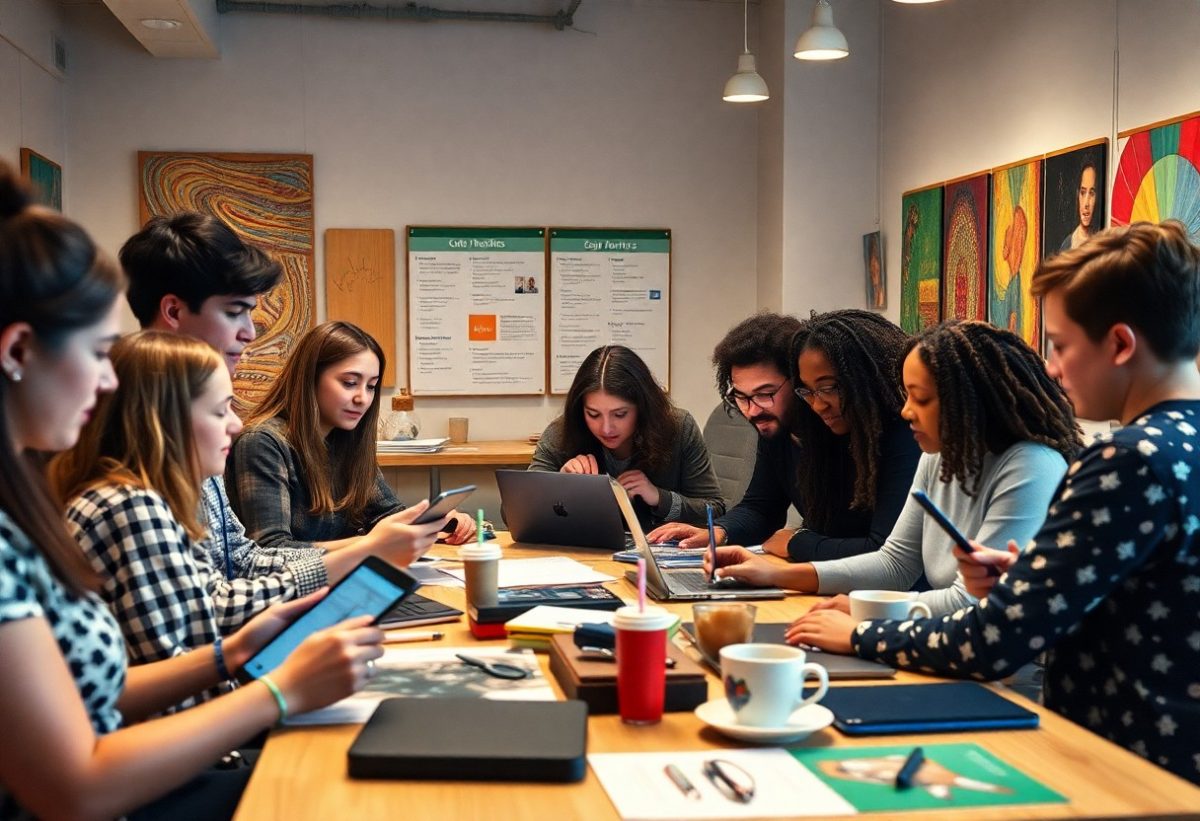
This guide will empower you to cultivate vibrant and supportive communities tailored for digital artists. I will share effective strategies I’ve learned that foster collaboration, creativity, and connection among artists. By implementing these techniques, you can build an environment where everyone feels valued and inspired, enhancing both personal growth and collective success in the digital art landscape.
Key Takeaways:
- Foster open communication by creating dedicated platforms for artists to share ideas and feedback.
- Encourage collaboration through joint projects and mutual support initiatives, enhancing community bonding.
- Provide resources and opportunities for skill development, enabling artists to grow and thrive together.
Understanding the Importance of Supportive Creative Communities
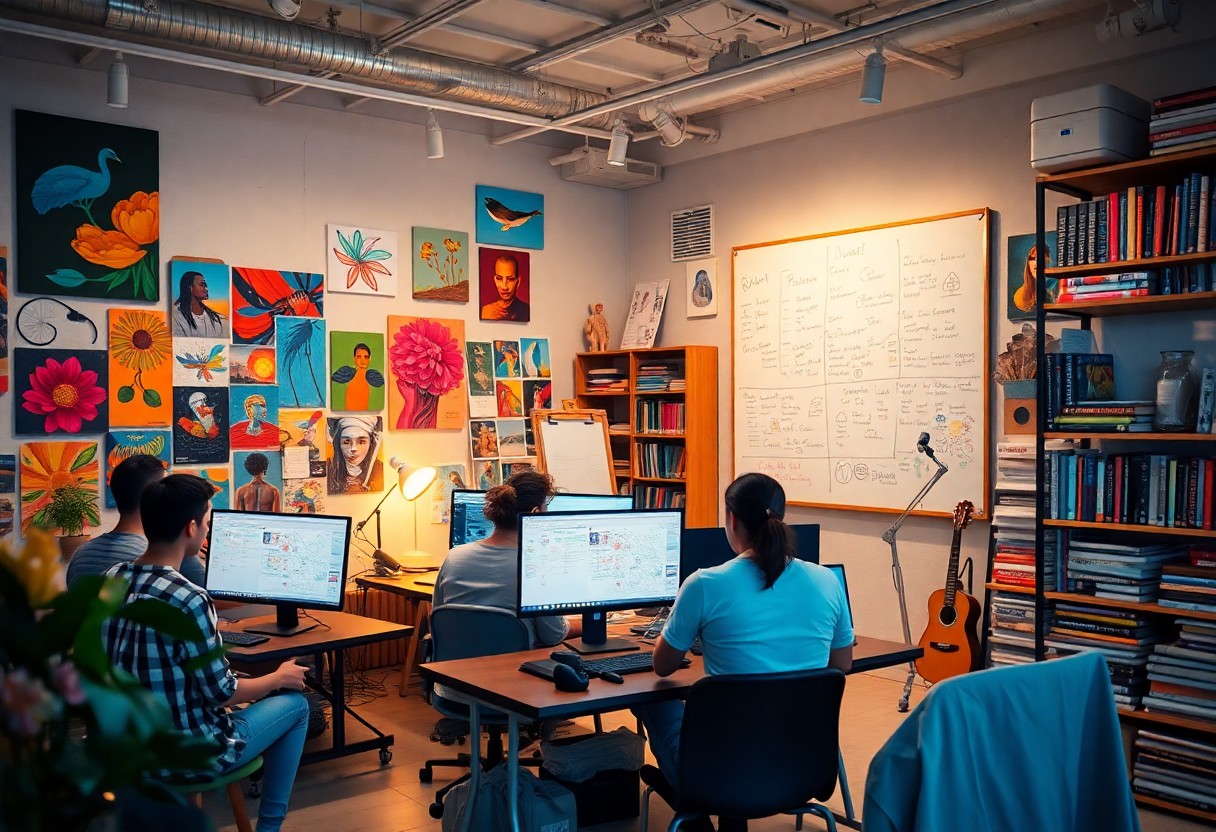
Supportive creative communities serve as safe havens for digital artists, fostering creativity and collaboration. These communities provide encouragement and constructive feedback, which can significantly enhance artistic development. When artists feel valued and understood, they are more likely to take risks, experiment with their work, and ultimately thrive in their craft.
Benefits for Digital Artists
Digital artists gain immense value from supportive communities. These spaces enhance their visibility, allowing them to showcase their work to a broader audience. Additionally, the networking opportunities foster collaborative projects, mentorship, and access to diverse perspectives that can inspire and elevate their art to new heights.
Key Elements of Supportive Communities
A thriving supportive community for digital artists typically includes open communication, constructive criticism, and a strong sense of belonging. Members should feel comfortable sharing their work without fear of judgment. Regular events, such as challenges and workshops, can be instrumental in building engagement, while clear guidelines on respect and feedback ensure a positive atmosphere.
Focusing on these key elements creates an enriching environment. For instance, hosting weekly feedback sessions can encourage artists to share progress openly and invite insights from peers. Moreover, providing resources like tutorials and workshops can further educate members, allowing them to gain valuable skills and better connect with fellow artists. The emphasis on collaboration, rather than competition, cultivates a sense of community spirit where everyone can grow together.
How to Find Your Niche
Identifying your niche is necessary for establishing a distinct presence in the creative community. Start by analyzing your passions and skills; consider what themes, styles, or mediums resonate most with you. Explore your interests and let them guide your artistic journey. It’s this self-discovery that will help you carve out a unique space that attracts like-minded supporters.
Identifying Your Artistic Style
To identify your artistic style, I suggest creating a portfolio that showcases your work. Observe which pieces you feel most connected to and pay attention to the feedback you receive. Use social media to engage with your audience; their preferences can help shape your distinct style further. Allow your influences and inspirations to manifest naturally in your creations, leading you to a style that genuinely reflects who you are.
Engaging with Like-Minded Creatives
Connecting with fellow artists who share similar interests can enhance your journey significantly. Seek online platforms, local art groups, or social media communities where artists exchange ideas and experiences. Regularly participating in discussions, sharing your work, and providing support fosters meaningful relationships that can lead to collaborations and new opportunities.
Engaging with like-minded creatives is not just about networking; it’s about building a supportive network that actively encourages growth and exploration. Participating in workshops, attending art events, or joining online forums can provide fresh perspectives and constructive feedback. You might discover insights that refine your craft or even inspire new projects. Collaborations can emerge from these connections, bringing together diverse ideas that can enrich your artistic voice. The bonds you create will serve as a foundation for a thriving, interactive community that celebrates creativity together.
Tips for Building Connections
Connecting with fellow artists is important for fostering a supportive community. Here are some practical ways to build those connections:
- Attend local art events and workshops.
- Collaborate on projects with other artists.
- Engage consistently on social media.
- Offer feedback and support on others’ work.
Any effort you invest in networking can yield beneficial relationships and opportunities.
Leveraging Social Media Platforms
Social media serves as an invaluable tool for connecting with other artists. Utilize platforms like Instagram, Twitter, and TikTok to showcase your work, engage with your audience, and follow other creatives. Regularly posting content and using relevant hashtags not only increases your visibility but also invites interaction. Participating in challenges and collaborations can further enhance your reach, making it easier to connect with like-minded individuals.
Participating in Online Forums and Groups
Joining online forums and specialized groups can significantly expand your artistic network. Websites like Reddit, DeviantArt, and various Facebook groups allow you to share your work, receive constructive feedback, and engage in discussions. These platforms often host events, contests, and discussions relevant to digital art, promoting deeper connections and collaboration among members.
Furthermore, many of these forums have tight-knit communities where regular interaction fosters relationships that can evolve into long-term collaborations. Actively engaging by asking questions, sharing insights, or simply appreciating others’ work creates a reciprocal environment. This not only enhances your visibility but can also lead to mentorship opportunities or partnerships on projects that you may not have encountered otherwise.
Factors to Consider When Establishing a Community
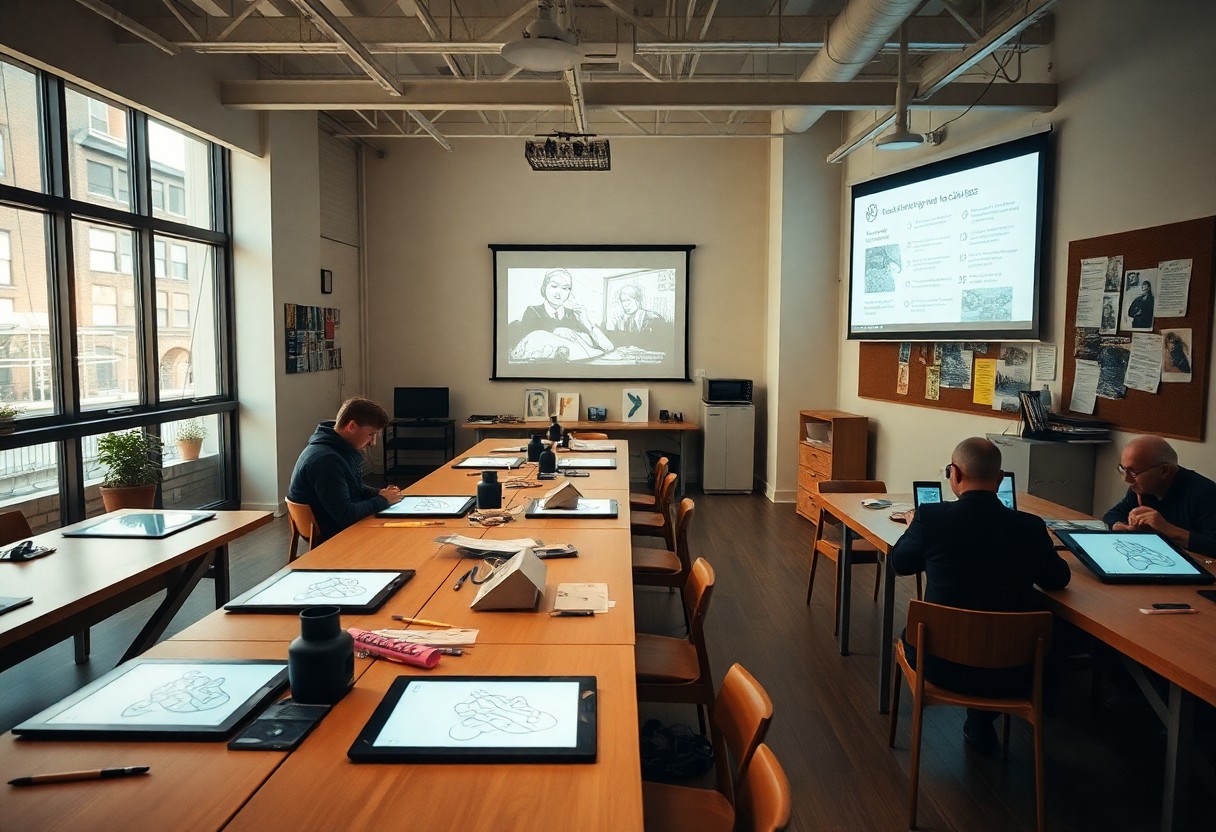
Creating a supportive community involves several key considerations that contribute to its success. You’ll want to ensure that your community meets the needs of its members while fostering creativity and collaboration. Consider the following factors:
- Define your community’s mission and goals.
- Choose the right platform for engagement.
- Establish clear guidelines for interaction.
- Encourage regular feedback and adaptation.
Knowing these factors will help build a solid foundation for your community’s growth and sustainability.
Inclusivity and Diversity
Inclusivity and diversity are fundamental to nurturing a vibrant community. I prioritize welcoming individuals from various backgrounds and experiences, as this enriches discussions and creativity. When voices from different cultures, genders, and perspectives come together, the collective artistry evolves, creating a dynamic environment. I include diverse representation in artist showcases and events, ensuring everyone’s expression is valued.
Collaboration Opportunities
Collaboration opportunities offer a unique avenue for artists to learn from each other and expand their skills. I encourage initiatives like joint projects, mentorship programs, and even themed challenges that prompt collective creativity. These collaborations not only enhance individual portfolios but also strengthen the bonds within the community.
Engaging in collaborative projects can lead to shared successes and the cultivation of new skills. For instance, hosting a monthly themed challenge encourages participants to create works based on a specific prompt or concept, fostering a spirit of camaraderie. I’ve witnessed groups come together to produce art anthologies or exhibitions, showcasing their collaborative efforts. Building such projects can often result in unique outcomes that each artist might not have achieved alone, amplifying their visibility and fostering networking opportunities.
How to Facilitate Meaningful Interactions
Fostering genuine connections among artists hinges on structured yet open channels for interaction. I’ve found that creating spaces where individuals can share experiences and ideas leads to deeper bonds. Regular check-ins, discussion boards, and themed chats can encourage regular participation and nurture relationships, ultimately enhancing the sense of community.
Hosting Virtual Events and Workshops
Conducting virtual events and workshops serves as an effective way to engage members. I often organize sessions on topics like digital tools or marketing strategies, inviting guest speakers or notable artists to share their expertise. These interactions not only boost knowledge but also create opportunities for networking and collaboration among attendees, inspiring fresh ideas.
Encouraging Feedback and Constructive Criticism
Creating an environment that welcomes feedback is necessary for growth. I strive to cultivate a space where artists feel comfortable sharing their work and receiving insights from peers. By setting clear guidelines for constructive criticism and emphasizing positivity, I encourage community members to share their thoughts in a supportive manner, leading to valuable exchanges.
Feedback should not be limited to merely pointing out flaws; it must also highlight strengths. I actively encourage participants to celebrate what works well in each other’s art while simultaneously offering suggestions for improvement. Using structured formats like “Two Stars and a Wish” can simplify this process; members share two positive points about a piece and one area for growth. This balanced approach fosters a culture of creativity, confidence, and collaboration that benefits everyone involved.
Maintaining Engagement and Growth
To ensure that your creative community thrives, it’s vital to prioritize continuous engagement and growth. Regular interactions, fresh content, and community-driven initiatives keep members invested and excited. Scheduling consistent activities, such as themed art challenges or expert guest talks, cultivates a lively atmosphere. Encouraging feedback and adapting to member interests also fosters a sense of ownership, making them feel integral to the community’s evolution.
Keeping the Community Active
Activity levels can wax and wane, so I find that regularly introducing new events, discussions, or challenges can invigorate participation. Encourage members to contribute ideas or lead initiatives, which not only diversifies the engagement but also invests them in the community’s vitality. Keeping the momentum is key; utilize polls or surveys to gauge interests and adapt accordingly.
Recognizing and Celebrating Member Achievements
A flourishing community thrives on recognition. I believe that celebrating members’ accomplishments fosters a positive environment and encourages continued participation. By publicly acknowledging achievements-whether through features in newsletters or dedicated posts on social media-members feel valued and inspired to contribute more actively.
Recognizing and celebrating member achievements goes beyond mere acknowledgment; it strengthens community bonds. When I spotlight a member’s artwork or milestones, I create a ripple effect, inspiring others to showcase their works or pursue their creative goals. Celebrations can include virtual award ceremonies, shout-outs during community meetings, or showcasing artwork in a dedicated gallery. It reinforces the idea that everyone’s contribution matters and fosters a culture of support and encouragement.
Summing up
As a reminder, fostering supportive creative communities for digital artists requires intentionality and dedication. I encourage you to actively engage with others, share resources, and cultivate an environment where everyone feels valued. By nurturing relationships and providing constructive feedback, you not only enhance your own creative journey but also empower fellow artists. Your contributions can transform a group into a thriving network that inspires and elevates all members, ultimately leading to collective growth and innovation in the digital art space.
FAQ
Q: What strategies can I implement to foster a supportive community for digital artists?
A: Establishing clear communication channels, such as dedicated forums or social media groups, allows for open discussions. Encourage collaboration by initiating projects where artists can work together. Providing constructive feedback and celebrating achievements helps cultivate a positive environment.
Q: How can I balance critique and encouragement within the community?
A: Set guidelines for feedback that emphasize kindness and support while allowing for honest critique. Implement a system where members highlight both strengths and areas for improvement. Regularly remind participants of the community’s mission to uplift each other, fostering a balanced approach.
Q: What role do events and challenges play in community-building for digital artists?
A: Events and challenges create opportunities for interaction and creativity. Organizing themed contests, workshops, or collaborative projects can boost engagement while allowing members to showcase their talents. These activities not only enhance skills but also strengthen relationships among artists.